Discover a More Personal Approach to Drug and Alcohol Rehab in San Diego
Recovery isn’t just about stopping drugs or alcohol. It’s about rebuilding your health, restoring relationships, rediscovering purpose, and learning how to enjoy life again.
At Right Path Rehab, residential addiction treatment offers something different from a traditional institutional setting. Our comfortable, home-like environment, personalized treatment plans, experienced staff, and daily therapeutic activities create a setting where you can step away from the pressures of everyday life and focus on recovery.
From evidence-based individual and group therapy to physical fitness, mindfulness, recovery activities, and experiential outings, each day provides opportunities to develop healthier habits, strengthen coping skills, and reconnect with yourself and others.
You won’t spend every moment in a therapy session. You’ll also have time to enjoy meals, connect with peers, reflect on what you’re learning, and practice the skills that support a healthier life.
At Right Path Rehab, your recovery is personal. And every day is an opportunity to move forward.
What Is a Typical Day Like in Residential Rehab?
One of the biggest concerns people have before entering residential addiction treatment is not knowing what to expect.
Will every day feel like a hospital? Will there be time to relax? What kinds of therapy will you attend? Who will be there to help you?
At Right Path Rehab, the daily schedule provides structure while allowing room for individualized treatment, meaningful connection, wellness, and rest. The goal is to create a healthy rhythm that supports recovery without making every moment feel clinical.

A typical day combines:
- Evidence-based addiction therapy to address substance use, thought patterns, emotions, and behaviors.
- Process and recovery groups to explore underlying challenges, build insight, and learn from others.
- Individual treatment time focused on your personal recovery goals.
- Physical fitness and wellness to support physical health, emotional regulation, and healthy routines.
- Mindfulness and reflection to help you become more aware of thoughts, emotions, and reactions.
- Experiential activities and outings that let you practice recovery skills beyond the therapy room.
- Community and peer connection to reduce isolation and build supportive relationships.
- Regular meals, snacks, and downtime to support nourishment, balance, and a more comfortable daily routine.
Your exact schedule and clinical services will depend on your treatment plan and current programming.
Morning: Start the Day With Structure and Intention
Healthy Routines, Physical Wellness, and Recovery
Mornings at Right Path Rehab begin with a consistent routine that includes getting up, attending to personal needs, and sharing breakfast.
Regular routines can be especially valuable during early recovery, when substance use may have disrupted sleep, nutrition, motivation, and daily responsibilities. Establishing healthier patterns gives you a foundation to build on as treatment progresses.
The morning schedule includes physical fitness and recovery activities. Movement can provide a constructive way to manage stress, improve overall wellness, and develop habits that support a substance-free lifestyle.
Morning process groups and educational sessions help clients begin exploring the emotional and behavioral patterns connected to addiction.

Depending on the day, topics may include:
- Transfer of addictive behaviors and countertransference
- Defense mechanisms
- Early attachment patterns
- Group roles and relationship dynamics
- Projection, displacement, and denial
- Motivational interviewing and change
These sessions create opportunities to better understand yourself, recognize familiar patterns, and consider new ways of responding to difficult situations.
Most Insurance Accepted
Did you know that insurance can cover up to 100% of the costs of addiction treatment and mental health care? Our addiction treatment center accepts most insurance plans. For a free insurance benefits check complete our confidential insurance verification form by clicking the link below.










Please note: We currently do not accept Medicare or Medi-Cal


Integrated Recovery Model Goes Deeper
Understand the Patterns Behind Substance Use
Stopping substance use is an important step, but recovery also involves understanding the thoughts, feelings, experiences, and behaviors that can contribute to continued use or relapse.
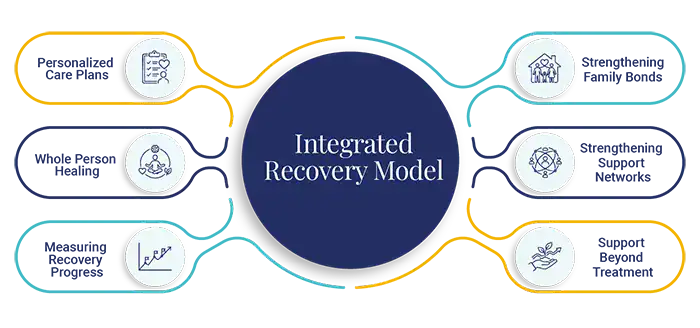
Right Path Rehab developed the Integrated Recovery Model (link ) that incorporates evidence-based therapeutic approaches as part of its individualized treatment model. Your care may incorporate Cognitive Behavioral Therapy (CBT), Dialectical Behavior Therapy (DBT)-informed skills, motivational interviewing, trauma-informed approaches, and other clinically appropriate interventions.
Treatment topics throughout the week may include:
- Relapse prevention and conscious recovery
- Emotional regulation and coping skills
- Depression and anxiety
- Grief and loss
- Self-esteem and self-worth
- Communication and social skills
- Healthy boundaries and relationship patterns
- Mindfulness and self-compassion
- Accountability and personal responsibility
- Recovery planning and life skills
- Metric driven recovery plan
The goal is to help you recognize what is happening beneath the surface, respond to challenges more effectively, and develop practical tools you can continue using after residential treatment.
Individualized Treatment, Not a One-Size-Fits-All Program

Every person arrives with a different history, different challenges, and different goals.
Your treatment team works with you to develop a recovery plan that reflects your needs. Individual treatment time provides an opportunity to discuss personal concerns, explore progress, identify barriers, and focus on the areas that matter most to your recovery.
Because Right Path emphasizes a personalized approach and a low client-to-staff ratio, care is designed to recognize you as an individual—not simply as a diagnosis or a place on a census.
Mindfulness Walks and Reflection
Recovery Is Something You Learn to Live, Not Just Talk About
Therapy can help you understand addiction and develop new coping strategies. Experiential treatment provides opportunities to put those skills into practice.
At Right Path Rehab, the weekly schedule includes recovery-based activities, mindfulness walks, experiential exercises, beach outings, and other opportunities for reflection and connection.
These activities are more than a break from the usual routine. When appropriately incorporated into your treatment plan, they can help you practice being present, managing emotions, communicating with others, tolerating discomfort, and participating in everyday experiences without relying on substances.
Experiential activities may provide opportunities to:
- Practice mindfulness and stress management.
- Build confidence in unfamiliar situations.
- Strengthen communication and interpersonal skills.
- Develop healthier ways to spend free time.
- Experience connection without drugs or alcohol.
- Apply recovery principles outside a formal therapy session.
Start Your Journey to Sobriety Today With Right Path Recovery
If you or a loved one are seeking drug or alcohol treatment, we are here to help. You can beat addiction.
Experiential Addiction Treatment: Practice Recovery in Real Life
Recovery Is Something You Learn to Live, Not Just Talk About
Therapy can help you understand addiction and develop new coping strategies. Experiential treatment provides opportunities to put those skills into practice.
At Right Path Rehab, the weekly schedule includes recovery-based activities, mindfulness walks, experiential exercises, beach outings, and other opportunities for reflection and connection.
These activities are more than a break from the usual routine. When appropriately incorporated into your treatment plan, they can help you practice being present, managing emotions, communicating with others, tolerating discomfort, and participating in everyday experiences without relying on substances.
Experiential activities may provide opportunities to:
- Practice mindfulness and stress management.
- Build confidence in unfamiliar situations.
- Strengthen communication and interpersonal skills.
- Develop healthier ways to spend free time.
- Experience connection without drugs or alcohol.
- Apply recovery principles outside a formal therapy session.

Mindfulness Walks and Reflection
Mindfulness helps bring attention to the present moment rather than becoming consumed by regret, worry, or automatic reactions.
Guided walks and reflection activities can provide opportunities to slow down, notice your surroundings, and practice grounding techniques. These are skills you can continue using in daily life.
Beach Outings and Community Experiences
San Diego’s coastal setting offers opportunities to experience the outdoors as part of a balanced recovery routine.
Beach outings and other experiential activities provide a change of environment, opportunities to connect with peers, and a chance to practice the social and emotional skills being developed in treatment.
Recovery Activities That Build Connection
Recovery-based activities and community experiences encourage participation, communication, accountability, and healthy interaction.
For many people, addiction has narrowed life around substance use. Experiential treatment can help create space for new interests, supportive relationships, and activities that make a substance-free life feel more rewarding.
A Home-Like Residential Rehab Environment
A Comfortable Place to Focus on Healing
Entering residential treatment can feel like a major step. The environment you enter can make a meaningful difference in how comfortable you feel asking for help, connecting with others, and focusing on your recovery.
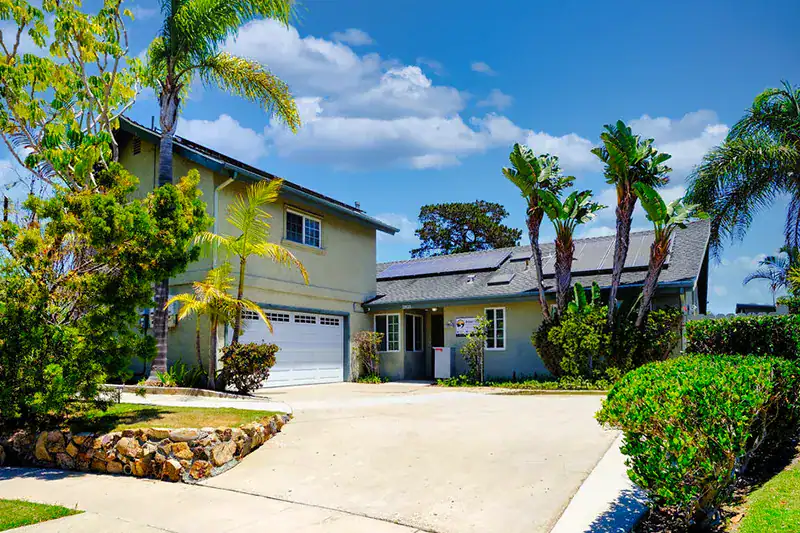
Right Path Rehab is designed to feel more like a home than an institution. Comfortable shared spaces, inviting common areas, outdoor seating, and a welcoming atmosphere provide places to relax, talk with peers, and take a break between therapeutic activities.
Our goal is to create an environment where people can feel supported while doing the important work of recovery.
The Value of a Smaller, More Personal Setting
Recovery requires honesty, trust, and a willingness to work through difficult experiences. A more personal residential environment can help make it easier to form relationships and feel recognized by the people supporting your care.
At Right Path Rehab, the emphasis is on individualized treatment, compassionate support, and meaningful human connection.
You’ll have opportunities to engage with your treatment team, participate in recovery groups, and spend time with others who are working toward similar goals.
Experienced Staff Who Support Your Recovery
Professional Guidance With a Personal Touch

Treatment is about more than the schedule. It’s also about the people who help you navigate it.
Right Path Rehab brings together clinical and support staff who help clients work toward recovery in a respectful, supportive environment. The team helps you understand your treatment plan, work through challenges, practice new skills, and prepare for the next stages of recovery.
Depending on your needs, your treatment team may coordinate therapeutic care, psychiatric services, medication management, wellness activities, and family support.
Staff members also help maintain a structured environment, support daily routines, and encourage clients to apply recovery skills throughout the day.
Recovery Starts at Our Drug and Alcohol Rehab by Requesting a Call
Sorry, we cannot accept Medicaid, Medi-Cal or Medicare
Care That Recognizes the Whole Person
Addiction can affect physical health, mental health, relationships, work, family life, and self-esteem. Right Path’s Integrated Recovery Model is designed to address more than substance use alone.
Care may incorporate mental health treatment, family involvement, psychiatric support, medication management when appropriate, wellness, and ongoing measurement of progress.
The objective is to help you build a foundation for recovery that extends beyond your time in residential treatment.
Treating Addiction and Co-Occurring Mental Health Conditions
Integrated Care for Substance Use and Mental Health
Many people seeking addiction treatment also experience depression, anxiety, trauma-related symptoms, or other mental health concerns.
When substance use and mental health conditions occur together, addressing both is important. Otherwise, emotional distress and unresolved challenges may continue to complicate recovery.
Right Path Rehab’s integrated approach considers the relationship between substance use and mental health and helps develop a treatment plan around the individual’s needs.
Depending on your assessment, care may address:
- Alcohol use disorder
- Drug use disorders
- Depression and anxiety
- Trauma-related concerns
- Emotional regulation difficulties
- Stress management
- Relationship and family challenges
- Relapse prevention and recovery planning

Your clinical team will help determine the services and level of care appropriate for your situation.
Nourishing Meals, Snacks, and Time to Recharge
Supporting Recovery Through Everyday Wellness

Recovery involves rebuilding daily habits as well as addressing the underlying challenges connected to substance use.
Regular meals and snacks are part of the daily rhythm at Right Path Rehab. The weekly menu includes a variety of familiar, satisfying meals, with options such as pancakes and sausage, breakfast sandwiches, tacos, pasta, chicken dishes, salads, and other balanced meal combinations. Snacks are available throughout the day.
Nutrition is one component of whole-person care. Consistent nourishment, hydration, rest, and healthy routines can help support physical well-being as you progress through treatment.
Meals also create natural opportunities for conversation and connection. Sharing food with others can become part of rebuilding a healthier daily life—one that includes routine, community, and time to recharge.
Afternoon and Evening: Build Skills, Connection, and Balance
Putting Recovery Into Practice
Afternoons may include additional process groups, experiential activities, recovery-based programming, and individual treatment time.
The schedule varies throughout the week, with topics and activities designed to support different aspects of recovery. These may include communication, social skills, anxiety management, self-esteem, grief and loss, and relapse prevention.
Later in the day, clients have time for dinner, peer connection, recovery meetings, community check-ins, and personal routines.

Evenings can include recovery meetings, group connection, phone time, or other scheduled activities. The day winds down with room for personal time, medications as prescribed, and preparation for rest.
This balance of treatment, practice, connection, and downtime is intentional. Recovery requires focused work, but it also requires learning how to live a healthy and sustainable daily life.
Preparing for Life After Residential Treatment
Build Skills You Can Take Home
Residential treatment provides an opportunity to step away from familiar triggers and focus on recovery. But the skills you develop need to work in everyday life, too.
As treatment progresses, relapse prevention and discharge planning help you prepare for the next stage. You’ll have opportunities to identify high-risk situations, recognize warning signs, strengthen coping strategies, and consider the support you’ll need after leaving residential care.
Planning may address:
- Triggers and cravings
- Managing stress and difficult emotions
- Building healthy routines
- Strengthening supportive relationships
- Establishing boundaries
- Continuing therapy or outpatient treatment
- Recovery meetings and community resources
- Family communication and support
- A personalized continuing-care plan
The transition out of residential treatment is an important part of recovery. The goal is to leave with greater insight, practical skills, and a clearer plan for continuing the work.
Is Residential Addiction Treatment Right for You?
Residential rehab may be appropriate for people who need a structured environment, more consistent support, and time away from the triggers and pressures of everyday life.
It may be worth exploring if:
- You’ve tried to stop using drugs or alcohol but struggle to maintain recovery.
- Substance use is affecting your health, relationships, work, or responsibilities.
- Outpatient treatment hasn’t provided enough support.
- You need help developing healthier routines and coping strategies.
- You have mental health concerns that need to be addressed alongside addiction.
- You would benefit from a structured environment focused on recovery.
The right level of care depends on your medical needs, substance use history, mental health, safety, and available support. A confidential assessment can help determine the most appropriate next step.
If you may be experiencing dangerous withdrawal symptoms, seek immediate medical evaluation. Some forms of alcohol or sedative withdrawal can be life-threatening and require medically supervised care.
Take the Next Step Toward Recovery at Right Path Rehab
A More Personal Approach to Residential Addiction Treatment in San Diego
You don’t have to figure everything out before asking for help.
At Right Path Rehab, you can begin with a conversation about what you’re experiencing, what you need, and what treatment options may be appropriate. Our team can explain the admissions process, discuss available programs, and help you understand the next step.
Residential treatment offers an opportunity to establish healthier routines, work with experienced professionals, reconnect with others, and begin building a life beyond addiction.
Recovery is more than getting through the day without substances. It’s learning how to build a life you want to be present for.
Call Right Path Rehab at (619) 630-2176 to speak with the team and discuss treatment options.
Frequently Asked Questions About a Day in Residential Rehab
A typical day includes scheduled meals, therapeutic groups, individual treatment time, recovery education, wellness activities, and opportunities for reflection and connection. At Right Path Rehab, the weekly schedule also includes physical fitness, mindfulness, recovery activities, experiential outings, and evening routines.
Residential treatment at Right Path Rehab is designed to feel more like a comfortable home than an institution. The setting includes shared living spaces and inviting areas for conversation and relaxation, alongside a structured schedule and professional treatment.
Treatment may include individual therapy, group therapy, Cognitive Behavioral Therapy (CBT), DBT-informed approaches, motivational interviewing, trauma-informed care, relapse prevention, and other clinically appropriate interventions. The specific services depend on your individualized treatment plan.
Experiential therapy involves activities that give clients opportunities to practice therapeutic skills outside traditional talk therapy. At Right Path Rehab, the schedule includes activities such as mindfulness walks, recovery-based activities, experiential exercises, and beach outings.
Experiential activities can help clients practice communication, emotional regulation, mindfulness, coping skills, and healthy social interaction in real-world settings. They can also provide opportunities to discover enjoyable activities that support a substance-free lifestyle.
Yes. The daily schedule balances treatment and structured activities with meals, phone time, personal routines, community connection, and time to unwind. The exact schedule and permitted activities depend on program expectations and individual needs.
The weekly menu includes a variety of breakfasts, lunches, and dinners, with snacks available throughout the day. Meals include options such as breakfast sandwiches, pancakes, tacos, pasta, chicken dishes, and other familiar foods. Ask the admissions team about specific dietary needs or accommodations.
Treatment begins with an assessment of your substance use history, mental health, personal circumstances, and recovery goals. Your care plan is developed around your needs and may be adjusted as your progress and clinical needs change.
Right Path Rehab provides an integrated approach that considers co-occurring mental health concerns alongside substance use. Your clinical team can assess your needs and determine which therapies and services are appropriate.
Clinical and support staff help clients follow their treatment plans, participate in programming, develop coping skills, navigate challenges, and prepare for continued recovery. The team also supports daily routines and helps clients work toward individualized goals.
Family involvement may be incorporated when clinically appropriate and consistent with the treatment plan. Family education, therapeutic conversations, and communication support can help address relationship challenges and prepare for recovery after treatment.
The length of treatment varies according to clinical needs, progress, substance use history, and the recommended level of care. The treatment team can help determine an appropriate plan and discuss transitions to the next stage of recovery.
Discharge planning helps prepare you for the transition to the next stage of care. Depending on your needs, recommendations may include outpatient treatment, continued therapy, recovery meetings, community support, and other continuing-care resources.
It may be. Residential treatment offers a more structured environment and more consistent support than standard outpatient therapy. An assessment can help determine whether residential care is appropriate or whether another level of treatment would better meet your needs.
Call (619) 630-2176 to speak with the admissions team. You can discuss your situation, ask questions about the residential program, review available treatment options, and learn about the admissions process and insurance verification.