
Your Path to Freedom from Benzos
You’re not alone in facing benzodiazepine dependence. The grip of benzos can feel overwhelming for you or a loved one. The idea of stopping can bring intense fear due to withdrawal or loss of effectiveness for the reasons that they were prescribed. You are not alone, as we have helped hundreds just like you or a loved one break free from the addiction to benzodiazepines.
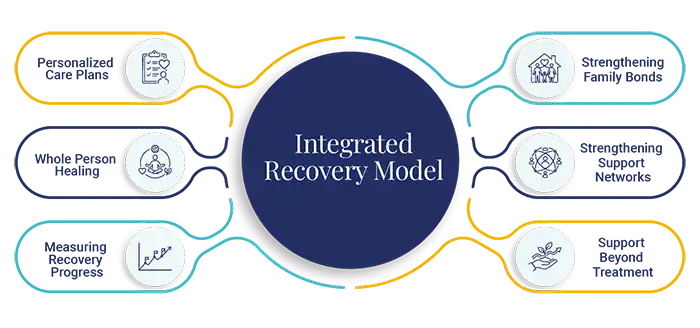
At Right Path Recovery, we understand these fears. Our benzodiazepine addiction treatment in San Diego provides a medically supervised detox that prioritizes your comfort and safety, guiding you through withdrawal with experienced care. Our team includes people who have walked similar paths, offering a unique level of understanding and support. Once you or a loved one is comfortable and stabilized, we begin to work with you on the root causes of why you or a loved one became addicted in the first place. Our evidence-based program coupled with our proprietary Integrated Recovery Model gives you the tools to live a life free from benzodiazepine addiction.
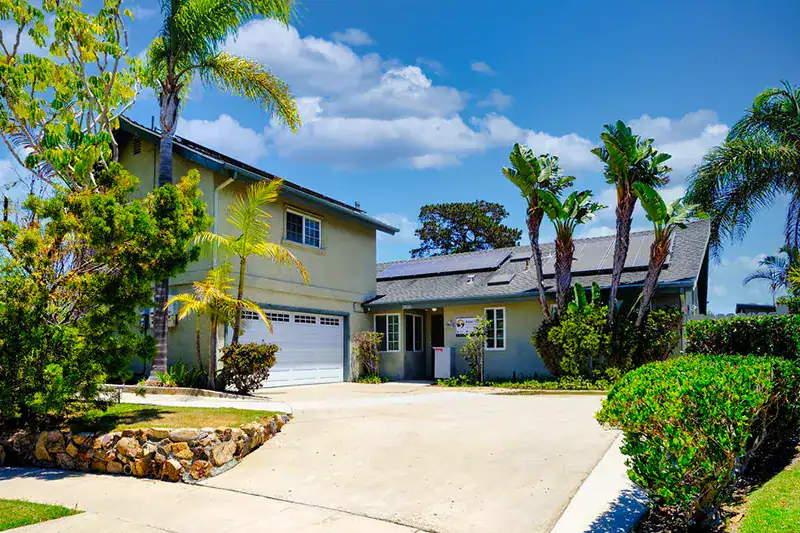
Here, you’ll find a private, comfortable space in San Diego where you can focus entirely on healing. We create an individualized plan just for you, combining proven methods with compassionate support to help you reclaim your life. We accept most major insurance plans to make this critical journey accessible.
Symptoms of Benzo Addiction
Recognizing the symptoms of benzodiazepine addiction can help you or someone you care about take the important step toward the recovery process. Some common signs include:
- Intense cravings to take benzos regularly
- Taking higher doses or using benzos more often than prescribed
- Continuing benzo use, even if it’s causing problems at work, school, or home
- Spending a lot of time thinking about, obtaining, or using benzos
- Losing interest in favorite activities or hobbies
- Experiencing benzo withdrawal symptoms like anxiety, shaking, or sweating if you try to stop or reduce use
- Using benzos despite negative health consequences
- Becoming isolated from family, friends, or social activities
- Struggling with memory problems or confusion after continued benzo use
- Needing larger amounts of benzos to get the same effect as before (developing tolerance)
If you or someone you love is experiencing these symptoms of benzodiazepine addiction, reaching out for professional support can make all the difference.
Common Benzodiazepine Withdrawal Symptoms
When someone has benzodiazepine dependence and stops using suddenly, they often experience withdrawal symptoms. This is known as benzodiazepine withdrawal syndrome, and symptoms can range from mild discomfort to severe symptoms.
Common benzodiazepine withdrawal symptoms include:
- Increased anxiety disorder symptoms or panic attacks, especially if someone has panic disorder
- Difficulty sleeping/ insomnia that can last for several weeks
- Muscle pain and tension
- Sweating
- Shaking or trembling, especially in the acute phase of the benzodiazepine withdrawal process
- Headaches
- Dizziness
- Problems with concentration or memory
- Nausea, loss of appetite, or stomach pain
- Mood swings or irritability
Because these benzodiazepine withdrawal symptoms can sometimes be intense, quitting a benzodiazepine prescription “cold turkey” or trying a rapid benzodiazepine detox in San Diego on your own can be risky. If you’re dealing with benzo addiction or benzodiazepine abuse, evidence-based treatment can provide safe and effective ways of managing withdrawal symptoms. Professional benzodiazepine addiction treatment can ease you through the benzodiazepine withdrawal process and lower the chance of protracted withdrawal symptoms and relapse.
What Are Benzos?
Benzodiazepines, commonly known as benzos, are prescription drugs often given to help people manage anxiety disorders, panic attacks, and sleep issues. Doctors may also prescribe them for short-term issues like stress management or as a way to improve someone’s mental well-being during certain challenging periods.
Long acting benzos and short acting benzos impact the central nervous system to produce calming effects and help individuals feel less anxious. Short-acting benzos, such as Xanax, have effects that wear off quickly. Others, like Valium, are longer-acting benzos with effects that last throughout the day.
Are Benzos Addictive?
Although benzodiazepines are commonly prescribed and helpful when used as directed, there’s a real risk of physical dependence over time. Taking Xanax or another prescribed benzodiazepine more frequently than recommended or mixing it with other drugs can lead to benzo abuse.
People who struggle with underlying mental health conditions, such as anxiety disorders or panic disorder, may be especially vulnerable to benzodiazepine abuse and benzodiazepine addiction.
Benefits of Choosing Inpatient Benzodiazepine Addiction Treatment in San Diego
Choosing inpatient rehab for benzodiazepine addiction and benzo withdrawal symptoms provides many advantages to support your recovery journey. Here are some of the primary ones:
Away From Triggers and Distractions
A significant benefit of inpatient addiction treatment is being away from everyday triggers and distractions that are likely to lead you back to drug use. When you’re in a secure environment, you don’t have access to benzos when things get tough. Instead, you have to deal with your emotions, and you’ll have professional help when doing so.
Dual Diagnosis Addiction Treatment
Many people dealing with benzodiazepine addiction also experience mental health challenges such as anxiety disorders, depression, or other disorders at the same time. Dual diagnosis benzodiazepine addiction treatment addresses both benzodiazepine addiction issues and mental health needs together. According to the Substance Abuse and Mental Health Services Administration (SAMHSA), treating these co-occurring disorders at once can make your recovery journey more effective and balanced, helping you manage symptoms and prevent relapse in the future. [1]
Aftercare Planning
Recovery doesn’t stop once you stop your benzodiazepine detox in San Diego. Before you finish benzodiazepine addiction treatment, your treatment team will help you put an aftercare plan in place. This might include follow-up counseling, outpatient programs, or local support groups, ensuring you have ongoing support and resources when returning to your everyday life.
Evidence-Based Treatments Used at Our Benzo Rehab in San Diego
At Right Path Recovery, we use a variety of evidence-based therapies to help you recover from benzodiazepine use. Our approach follows recommendations from respected organizations such as the American Psychiatric Association. Some of the benzodiazepine addiction treatment options we provide include:
Individual Therapy
Individual therapy is an important aspect of benzo addiction treatment. You can discuss personal struggles with an addiction professional, exploring the underlying causes of your substance abuse. These sessions can teach you to recognize triggers and avoid using benzos when things get difficult.
Group Therapy
Group therapy is another essential part of addiction treatment. It gives you a place to connect with others who truly understand what you’re going through, as they experience some of the same effects of addiction as you do.
Family Therapy
Family therapy helps you and your family members understand how addiction truly affects the family dynamic and how to recover from the difficulties that your drug use has caused. The goal is to create a safe home environment where everyone can thrive.
Cognitive Behavioral Therapy (CBT)
CBT is a common and effective treatment for managing both benzodiazepine addiction and underlying mental health conditions during a benzodiazepine detox in San Diego. CBT focuses on identifying and changing unhealthy thought patterns connected to benzodiazepine prescription dependence and prescription drug use, helping you develop healthier behaviors.
Motivational Interviewing (MI)
Motivational interviewing helps you find personal motivation for change rather than applying pressure. This evidence-based approach respects your perspectives and encourages personal commitment to reduce or stop prescription drug misuse.
Acceptance and Commitment Therapy (ACT)
ACT teaches practical skills for accepting difficult emotions without turning to benzodiazepine misuse or other drugs. Rather than fighting uncomfortable feelings, you learn healthier ways to manage stress and accept your feelings.
Dialectical Behavior Therapy (DBT)
DBT helps you build emotional and interpersonal skills while reducing harmful habits linked to benzodiazepine addiction and mental illness. It teaches mindfulness techniques, emotional regulation, and strategies to manage discomfort so you can handle life’s challenges better.
Wellness Therapies
In addition to evidence-based therapies, we offer wellness therapies and holistic approaches to support your mental well-being and physical health. Activities such as yoga, exercise, and mindfulness training can help reduce long-term stress and support your recovery process.
We’ll make sure you engage in benzodiazepine addiction treatment options that truly meet your needs to recover from prescription drug use.












Contact Right Path Recovery for More Information on Programs at Our Benzo Rehab in San Diego
We understand that asking for help for benzodiazepine addiction can feel overwhelming. Our experienced and caring team is here to guide you every step of the way. We’re committed to supporting you as you move forward in this difficult journey.
Call (619) 630-2176 or complete our online contact form today to learn more about our benzodiazepine addiction treatment in San Diego. If you need other benzodiazepine addiction treatment options that include outpatient services, we can refer you to an appropriate benzo addiction treatment program.
Resources: [1] SAMHSA