Not every drug affects the body and brain the same way, so not every treatment plan should look the same. Someone detoxing from fentanyl faces a very different medical picture than someone stopping methamphetamine or cocaine. When you search for drug rehab San Diego programs, understanding those differences helps you ask better questions and choose care that fits.
This guide explains how drug addiction treatment San Diego providers adjust care for opioids, fentanyl, heroin, meth, and cocaine, from the first days of withdrawal through long-term recovery. Medical detox is usually the first step, and you can learn more about drug and alcohol detox at Right Path Recovery.
Why Treatment Differs by Substance
Drugs fall into different classes, and each class interacts with the brain in its own way. Those differences shape three things that matter most in treatment:
- Withdrawal: opioid withdrawal is intensely uncomfortable and physical, while stimulant withdrawal tends to bring exhaustion, low mood, and strong cravings.
- Medical risk: opioids carry a serious overdose risk, while stimulants strain the heart and can trigger anxiety or paranoia.
- Treatment tools: medications exist for opioid use disorder, while stimulant treatment relies mainly on behavioral therapy.
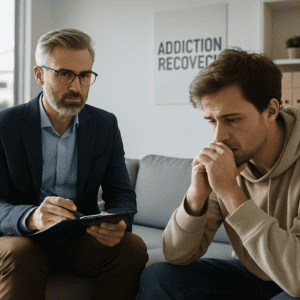
A thorough assessment at admission is what makes this kind of customization possible. It looks at what you use, how often, your medical history, and your mental health.
Inpatient and Residential Drug Rehab in San Diego
For many people, inpatient drug rehab San Diego programs offer the most stability. Living on site removes access to drugs, reduces exposure to triggers, and provides round-the-clock support. Residential drug rehab San Diego programs also give clinicians time to observe symptoms, adjust medications, and build trust.
What Residential Care Typically Includes
- Medical monitoring and medication management when appropriate.
- Individual, group, and family therapy sessions.
- Relapse prevention skills and trigger planning.
- Mental health support for anxiety, depression, and trauma.
- Nutrition, fitness, and mindfulness to restore physical health.
When a Higher Level of Care Matters Most
Residential care is usually recommended for people with heavy or long-term use, a history of relapse, an unsafe home environment, or co-occurring mental health conditions. Others may begin in, or step down to, partial hospitalization or intensive outpatient care once they are stable.
How Treatment Changes by Substance
Opioid Rehab in San Diego
Opioids include prescription painkillers as well as heroin and fentanyl. Opioid rehab San Diego programs often center on medically supervised withdrawal and medication for opioid use disorder. Because opioid use disorder is a medical condition, treatment works best when licensed clinicians guide it.
Withdrawal and Detox
Muscle aches, nausea, sweating, anxiety, and insomnia are rarely life-threatening for otherwise healthy adults, but they can feel unbearable enough to drive a return to use. Medical teams can ease symptoms and watch for complications.
Medications and Therapy
Buprenorphine, methadone, and naltrexone are FDA-approved medications that reduce cravings and lower the risk of relapse and overdose. They work best when combined with counseling and cognitive behavioral therapy.
Fentanyl: Why Treatment Is More Cautious
Fentanyl is far more potent than heroin and is now widely mixed into other drugs, often without the user’s knowledge. Regular use can build very high tolerance, and withdrawal may be more intense or last longer. Clinicians may adjust how they start medications such as buprenorphine to avoid precipitated withdrawal, a sudden worsening of symptoms. Because overdose risk is high, care emphasizes close medical supervision, naloxone education, and a structured step-down plan. You can read more about fentanyl addiction treatment in San Diego.
Heroin Treatment
Heroin treatment follows the same opioid framework of medical detox, medication options, and therapy. One critical point is lost tolerance. After days or weeks without use, returning to a previous dose can cause a fatal overdose. Relapse prevention education and a strong aftercare plan are essential, along with support for the trauma or mental health concerns that often fuel use. Medication and counseling together give people the best chance of staying engaged in care.
Meth Rehab in San Diego
Meth rehab San Diego programs face a different challenge. There is currently no FDA-approved medication for methamphetamine use disorder, so treatment relies on behavioral approaches and a structured environment. Learn more about meth addiction treatment at Right Path Recovery.

What Withdrawal Looks Like
Meth withdrawal often brings extreme fatigue, depression, anxiety, disrupted sleep, and intense cravings. Some people experience paranoia or psychosis, which calls for prompt psychiatric evaluation.
What Works
Cognitive behavioral therapy and contingency management, which rewards healthy goals, have the strongest evidence. Regular sleep, balanced meals, and daily structure help the brain recover while therapy builds new habits.
Cocaine Rehab in San Diego
Cocaine rehab San Diego care follows a similar behavioral path, since no medication is approved specifically for cocaine use disorder. Withdrawal usually means a crash marked by low mood, irritability, fatigue, and strong cravings, and heart health deserves attention. Because cocaine is increasingly contaminated with fentanyl, overdose risk is a real concern even for people who do not knowingly use opioids, so safety education is part of treatment. Therapy focuses on identifying triggers, such as social settings or stress, and replacing them with healthier coping strategies. Medical staff may also monitor blood pressure and heart rate during early treatment.
Signs It May Be Time to Seek Drug Rehab
Many people wait longer than they should because they are unsure whether their drug use is serious enough. Treatment may be worth considering if you notice any of the following:
- Using more, or more often, than you intended.
- Failed attempts to cut back or stop on your own.
- Withdrawal symptoms when you go without the drug.
- Problems at work, school, or home caused by use.
- Continued use despite health, legal, or relationship consequences.
You do not need to hit a crisis point to ask for help. An assessment can clarify what level of care makes sense, and earlier treatment is often safer and more manageable.
Why Mental Health and Polysubstance Use Change the Plan
Many people use more than one substance, and many also live with anxiety, depression, or trauma. These factors change how detox is managed and which therapies come first. Right Path Recovery treats addiction and co-occurring mental health concerns together rather than separately. Key considerations include:
- Polysubstance use: combined withdrawal needs careful medical review.
- Co-occurring disorders: psychiatric support improves engagement and outcomes.
- Pain history: people who began with prescription opioids may need a plan for managing pain safely.
What a Personalized Drug Rehab Plan Looks Like
Assessment and Detox
Treatment begins with a full evaluation, followed by medically supervised detox when needed. The goal is safety and comfort while the body stabilizes.
Therapy and Skill Building
Once stable, clients move into daily therapy that may include CBT, DBT, motivational interviewing, and family sessions. Wellness activities add balance and reduce stress.
Aftercare and Long-Term Support
Recovery continues after discharge. Relapse prevention planning, step-down programs, and alumni connections help people stay on track through the most vulnerable months.
How Family Support Fits Into Drug Treatment
Addiction affects everyone close to the person using. Family education and therapy help loved ones understand the substance involved, set healthy boundaries, and communicate without blame. For opioids and fentanyl, families can also learn how to recognize an overdose and use naloxone. Involving loved ones, with the client’s consent, often strengthens motivation and makes the transition home smoother.
Choosing the Right Drug Rehab
Look for a program that can answer these questions clearly:
- Is the facility licensed and accredited?
- Does the team have experience with your specific substance?
- Are medications available for opioid use disorder when appropriate?
- Is mental health care integrated into treatment?
- What does aftercare look like?
Start Treatment With a Team That Listens
The right program meets you where you are and adjusts as you heal. Right Path Recovery offers confidential assessments and personalized care for opioids, fentanyl, heroin, meth, cocaine, and more. Verify your insurance with someone today.
Frequently Asked Questions
1. How long does drug rehab last?
Length varies by substance, severity, and progress. Many people move from detox to residential care and then to a step-down program. Your clinical team recommends a timeline and adjusts it along the way.
2. Is detox enough to treat opioid addiction?
No. Detox manages withdrawal but does not address the causes of addiction. Without continued treatment, relapse risk is high, and lost tolerance makes relapse more dangerous.
3. Are medications used in drug rehab?
For opioids, yes. Buprenorphine, methadone, and naltrexone are approved options. For meth and cocaine, no medication is currently approved, so therapy and structure lead treatment.
4. Can I get treatment if I use more than one drug?
Yes. Polysubstance use is common, and a medical assessment helps plan safe detox and the right therapies for every substance involved.
5. Does insurance cover drug rehab in San Diego?
Coverage depends on your plan, so verify benefits before admission. Many commercial plans cover some levels of care, though Medicare and Medi-Cal are not accepted at Right Path Recovery.