Reaching out for help is the hardest part of recovery. The second hardest part is often figuring out where to go. San Diego has plenty of programs, but they are not all alike. Some focus on short-term stabilization, others offer long-term clinical care, and a few specialize in particular substances. If you or someone you love needs meth addiction treatment San Diego, the questions you ask before admission can shape the entire experience.
This guide walks through ten practical questions to ask any provider. Use them on the phone, during a facility tour, or while reviewing a website. The answers will help you tell the difference between a program that makes promises and one that delivers real, evidence-based care.
Why Meth Recovery Calls for Specialized Care
Methamphetamine is a powerful stimulant that changes how the brain handles reward, motivation, and mood. Long-term use can lead to intense cravings, memory problems, anxiety, paranoia, sleep disruption, and depression. According to the National Institute on Drug Abuse, there are currently no FDA-approved medications for methamphetamine use disorder, and behavioral therapies are the foundation of treatment.
That makes the quality of the therapy, the staff, and the daily structure even more important. A strong meth rehab San Diego families can trust will combine medical oversight with consistent counseling and a clear plan for life after discharge.
Recovery from meth also unfolds in stages. The first days after stopping often bring a heavy crash, with exhaustion, low mood, and intense hunger or sleep. Weeks later, many people notice a flat, joyless feeling because the brain’s reward system is still healing. Cravings can surface long after the physical symptoms fade. A program built only for a short stay may miss this slow, uneven pace, so look for providers that plan for months of support rather than days.
10 Questions to Ask Before Starting Rehab
Not every question carries the same weight for every person, but together they give you a complete picture. Group them by theme so you can compare programs side by side.
Safety and Credentials
1. Is the Facility Licensed and Accredited?
In California, detox and residential programs must be licensed by the Department of Health Care Services (DHCS). Ask for the license number and confirm it through the state’s public facility list. Accreditation from The Joint Commission is another sign that a program meets national quality standards.
2. Who Is on the Clinical and Medical Team?
Look for licensed therapists, nurses, and physicians or psychiatric providers. Ask about the client-to-staff ratio too. A lower ratio usually means more individual attention and faster responses when someone is struggling.
3. Is Medically Supervised Detox Available?
Meth withdrawal is rarely life-threatening, but it can bring crushing fatigue, agitation, depression, and strong cravings. Many people also use alcohol, opioids, or other drugs, which can make withdrawal riskier. A provider that offers detox and treatment under one roof avoids gaps in care. Right Path Recovery, for example, offers medically supervised detox alongside its residential program.

Treatment Approach
4. Which Therapies Do You Use for Stimulant Addiction?
Because therapy is the core of meth addiction rehab, ask exactly what is offered. Look for cognitive behavioral therapy, motivational interviewing, dialectical behavior therapy, contingency management, and both group and individual sessions. Ask how often each one happens during a typical week.
5. Do You Treat Co-Occurring Mental Health Conditions?
Anxiety, depression, trauma, and ADHD are common among people who use meth. Treating only the substance use often leaves the underlying symptoms untouched, which raises the risk of relapse. Ask whether the same team manages both, and whether the program offers dual diagnosis treatment San Diego residents can access in one place.
6. How Is the Treatment Plan Personalized?
A cookie-cutter schedule rarely fits. Ask how the initial assessment works, how often your plan is reviewed, and who makes adjustments. The best programs update goals as your needs change.
7. How Is Family Involved?
Addiction affects the whole household. Ask about family education, family therapy sessions, and communication policies. Healthy family involvement can improve accountability and rebuild trust after months or years of strain.
Practical Considerations
8. What Levels of Care Do You Offer, and How Do Clients Step Down?
Recovery rarely ends after one month. Ask about the full continuum: detox, residential drug rehab San Diego, partial hospitalization, intensive outpatient, and aftercare. A program with a clear step-down path helps you keep momentum after leaving the residential setting.
9. What Does a Typical Day Look Like?
Ask for a sample schedule and request a tour. You should see structured therapy blocks, meals, wellness activities, and downtime. Pay attention to cleanliness, safety, and how staff speak to clients. The environment should feel calm and respectful.

10. How Do Insurance, Costs, and Admission Work?
Ask which insurance plans are accepted, what is typically covered, and what you may owe out of pocket. A transparent admissions team will explain the process in plain language and will not pressure you to decide on the spot.
It also helps to compare programs side by side. Keep a simple notebook or spreadsheet with each provider’s answers, then rank them on safety, clinical depth, and fit. Trust your instincts as well. If a team listens carefully, answers directly, and treats you with respect on the first call, that is usually a good sign of how clients are treated throughout treatment.
What to Expect From Your First Call or Tour
A tour or an admissions call is your best chance to see how a program really operates. At Right Path Recovery, families can tour the facility, meet staff, and ask questions before making any commitment. Whichever program you contact, come prepared with a short list of priorities and notes:
- Write down your questions before the call so nothing gets forgotten.
- Have your insurance card and a list of current medications nearby.
- Be honest about all substances used, including alcohol and prescription drugs.
- Mention any mental health symptoms, past treatment, or medical conditions.
- Ask what happens in the first 24 hours after you arrive.
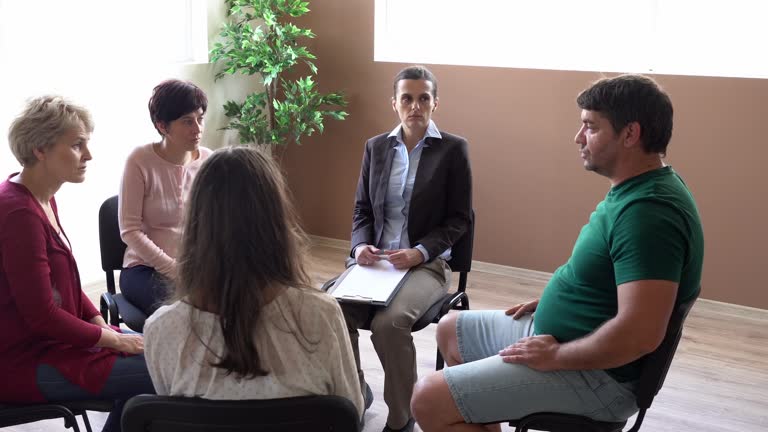
Honest answers lead to a more accurate plan. Admissions teams hear every kind of story, and their goal is to match you with the right level of care, not to judge your history.
Red Flags to Watch For
Some warning signs should make you pause, no matter how polished the marketing looks:
- Guaranteed results. No ethical provider can promise a cure.
- Pressure to commit immediately. Good programs allow time for questions.
- Vague answers about licensing or staff credentials. Transparency is a baseline requirement.
- No plan for aftercare. Treatment without follow-up leaves a gap right when relapse risk is highest.
- A one-size-fits-all approach. Mental health, medical history, and substance use patterns differ for everyone.
Taking the Next Step Toward Recovery
Right Path Recovery is a San Diego treatment center that provides detox, residential care, partial hospitalization, and intensive outpatient programs, along with therapy options built around each person’s needs. Right Path Recovery’s team can walk you through assessment, level-of-care recommendations, and what to expect on day one.
If you are comparing options, you can also use the SAMHSA treatment locator to see state-licensed providers. When you are ready to talk about coverage, you can verify your insurance online or call the admissions team for a confidential conversation. Right Path Recovery treats every call with care and without judgment.
Choosing a program is a big decision, but it does not have to be a lonely one. The right questions turn a stressful search into a confident choice, and that confidence is a strong first step toward lasting recovery.
Frequently Asked Questions
1. How do I know if a San Diego rehab is legitimate?
Check for a current DHCS license, national accreditation such as The Joint Commission, and clear information about staff credentials. You can also confirm licensing through the state’s public facility list.
2. Is there a medication for meth addiction?
At this time, no medication is FDA-approved specifically for methamphetamine use disorder. Treatment relies mainly on behavioral therapies, and a physician may prescribe medications to manage related symptoms such as insomnia or depression.
3. How long does meth rehab last?
Length of stay depends on clinical needs and progress. Many people begin with detox and residential care, then step down to outpatient services. Research generally shows that staying engaged in treatment longer leads to better outcomes.
4. Can my family visit or take part in treatment?
Most quality programs encourage appropriate family involvement through education sessions and family therapy. Ask each facility about its visitation and communication policies.
5. Will going to rehab affect my job?
Many employees may qualify for protected medical leave under the federal Family and Medical Leave Act. Check with your HR department about eligibility and how to request leave.
6. What if I also struggle with anxiety or depression?
Look for a dual diagnosis program that treats both conditions together. Integrated care helps you build coping skills while addressing substance use, rather than treating each problem separately.