Deciding to get help for addiction takes real courage. Deciding where to get that help can feel just as heavy. A quick search for a San Diego rehabilitation center brings up dozens of options, all promising compassionate care and lasting results. Behind the marketing, however, programs differ widely in licensing, clinical depth, daily structure, and aftercare.
This guide gives you ten practical questions to ask before you commit, whether you are searching for yourself or for someone you love. If you would like a picture of what structured, round-the-clock care looks like first, you can read about the residential treatment program offered by Right Path Recovery in San Diego.

Why Your Choice of Rehab Center in San Diego Matters
Addiction does not look the same for everyone. The right setting depends on the substance used, how long and how heavily it was used, physical health, mental health, home environment, and personal goals. A mismatch, such as outpatient care for someone who needs medical detox, can lead to unsafe withdrawal, early dropout, or relapse.
San Diego has a wide range of choices, from large clinical facilities to small, home-style settings. That variety is a real advantage, but only if you know what to look for. A strong rehab center San Diego families can trust will:
- Assess before it admits: a clinical evaluation should come first, not a sales pitch.
- Match care to need: the level of treatment should reflect your medical and mental health picture.
- Plan beyond discharge: recovery continues long after the residential stay ends.
10 Questions to Ask Before Starting Rehab
1. Is the Facility Licensed and Accredited?
Start with the basics. In California, facilities that provide residential substance use treatment are licensed by the Department of Health Care Services (DHCS), and many reputable programs also earn national accreditation, such as the Gold Seal of Approval from The Joint Commission. Ask for the license number and confirm it through the state’s public facility list on the California Department of Health Care Services website. Accreditation shows the program has been reviewed against outside standards for quality and patient safety.
2. Which Levels of Care Do You Offer?
Recovery often moves through stages, and your needs will change along the way. Ask whether the center provides:
- Medical detox for safe, supervised withdrawal management.
- Residential treatment for structured, around-the-clock support.
- Partial hospitalization (PHP) and intensive outpatient (IOP) for step-down care.
- Aftercare to protect your progress once you return home.
A program that covers the full continuum lets you step down gradually without switching providers or starting over with new clinicians.
3. What Does 24-Hour Care Actually Include?
Many families search for a 24 hour rehab San Diego option because constant supervision brings safety and stability, especially early in recovery. The phrase can mean different things, so ask specifically:
- Is medical staff on site overnight, and how is withdrawal monitored?
- What does a typical day look like, from therapy to meals to free time?
- How are medical concerns and emergencies handled?
4. Do You Treat Co-Occurring Mental Health Conditions?
Substance use and conditions such as anxiety, depression, and trauma frequently go hand in hand. Treating only one often leaves the other to undermine recovery. Look for a team that offers integrateddual diagnosis treatmentwith psychiatric support, so both issues are addressed together under one care plan. At Right Path Recovery, mental health care is built into the program rather than added on later.
5. What Therapies and Treatment Methods Do You Use?
Effective addiction treatment San Diego programs combine proven clinical methods with whole-person support.
- Evidence-Based TherapiesAsk about cognitive behavioral therapy (CBT), dialectical behavior therapy (DBT), motivational interviewing, and family therapy. These approaches have strong research behind them and help you build practical coping skills.
- Holistic and Wellness SupportFitness, mindfulness, nutrition, and creative therapies can lower stress and help you rebuild healthy routines. They work best alongside clinical care, not as a replacement for it.
6. Is Treatment Personalized, and What Is the Staff Ratio?
A cookie-cutter schedule rarely works. Ask how the treatment plan is built, how often it is reviewed, and how many clinicians support each client. A low client-to-staff ratio means more one-on-one attention and faster adjustments when something is not working. The Integrated Recovery Model used at Right Path Recovery, for instance, pairs measurement-based treatment with long-term monitoring so the plan evolves as you do.

7. How Do You Protect Privacy and Comfort?
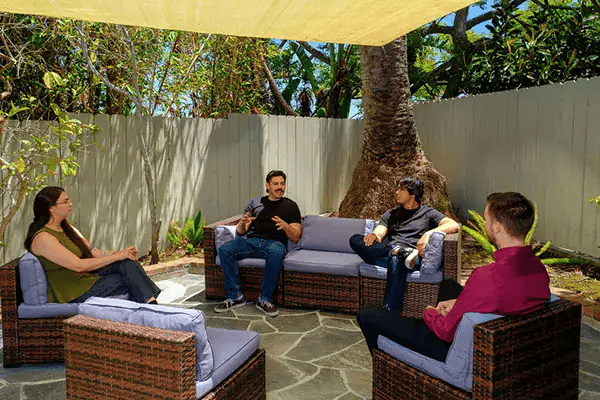
Comfort and confidentiality help people stay engaged in treatment. If you are considering a private rehab San Diego option, ask about the size of the facility, room arrangements, meals, and how your health information is protected. A calm, home-like setting with nutritious meals and respectful staff can make the early days of recovery noticeably easier. Request a tour so you can see the environment yourself.
8. Will My Family Be Involved?
Addiction affects the whole family, and healing often does too. Ask whether the program offers family education, scheduled communication, and family therapy sessions. Appropriate involvement can rebuild trust, improve communication, and give loved ones tools to support recovery after discharge.
9. What Does Treatment Cost, and Do You Accept My Insurance?
Cost should never be a surprise. Ask for a clear breakdown of what is covered and what is not, and have your benefits verified before admission. Coverage varies by plan, so confirm details directly with the provider and your insurer. For transparency, Right Path Recovery works with many commercial insurers but does not accept Medicare or Medical.
10. What Happens After Treatment Ends?
Recovery does not finish at discharge. Ask about relapse prevention planning, aftercare, alumni connections, and ongoing therapy. A good center prepares you for triggers, work, family life, and the first months at home. A program that stays connected after you leave gives you a safety net when you need it most.
How to Prepare Before You Contact a Program
Preparation makes your first conversation with any San Diego rehabilitation center more productive. You do not need every answer, but gathering a few details helps the admissions team recommend the right level of care and give you accurate information.
- Substance history: list what you use, how often, and when you last used.
- Medical and mental health details: note current medications, diagnoses, and any past treatment.
- Insurance information: keep your card handy so benefits can be checked quickly.
- Your questions: bring the ten questions above and write down the answers you hear.
Taking notes during each call makes it easier to compare programs later, especially when you feel stressed, tired, or overwhelmed. If someone else is helping you search, ask them to join the call.
Red Flags to Watch For
While you compare options, be cautious if a center:
- Guarantees a cure or promises specific results.
- Pressures you to commit immediately.
- Is vague about licensing, credentials, or cost.
- Skips a clinical assessment before recommending a program.
- Offers no plan for aftercare or mental health support.
Finding the Right Fit for Alcohol and Drug Recovery
Whether you need alcohol rehab San Diego residents rely on or drug rehab San Diego programs with strong medical oversight, the same questions apply. Withdrawal from alcohol and some drugs can be medically dangerous, so supervised detox is often the safest starting point. Take notes, compare answers side by side, and trust the program that is transparent, patient, and clear about its approach.
Take the Next Step Toward Recovery
Choosing a program is easier when you have a clear checklist and a team willing to answer every question honestly. Right Path Recovery offers confidential assessments, facility tours, and insurance checks so you can decide with confidence. Verify your insurance online or call [INSERT CALLRAIL SWAP NUMBER] to speak with a compassionate team member today.
Frequently Asked Questions
1. How long does rehab in San Diego usually last?
Length depends on the substance used, clinical needs, and progress. Many people begin with detox, move into residential care, and then step down to PHP or IOP. A clinical assessment sets the starting timeline, and it is adjusted as you progress.
2. Is private rehab better than other options?
Private programs often offer smaller groups, more individual attention, and a more comfortable setting, but quality still varies. Judge any program by its licensing, clinical team, therapies, and aftercare rather than by the label alone.
3. Can I visit a facility before I enroll?
Yes, and you should. A tour lets you meet staff, see living areas, and ask questions in person. Reputable programs welcome these visits.
4. Do I need detox before starting rehab?
Not always, but many people do. After heavy alcohol or drug use, withdrawal can be uncomfortable or dangerous, so a medical professional should evaluate you before any decision is made.
5. Will my employer or family know I am in treatment?
Treatment records are protected by strict privacy laws, including HIPAA and federal confidentiality rules for substance use treatment. Information is generally shared only with your written consent, apart from limited legal exceptions.