Quitting alcohol is not like quitting most other substances. After weeks or years of heavy drinking, the body adapts, and stopping suddenly can trigger tremors, seizures, and hallucinations. That is why many people searching for alcohol rehab San Diego are really asking a more urgent question: How do I stop drinking safely, and what comes next?
According to national survey data reported by the National Institute on Alcohol Abuse and Alcoholism (NIAAA), nearly 29 million people ages 12 and older in the United States had alcohol use disorder in 2023, yet fewer than 1 in 10 received treatment. This guide explains how alcohol addiction treatment in San Diego works at every stage, from detox through long-term recovery, so you know what to expect before you pick up the phone.
Why Alcohol Addiction Is So Hard to Stop Alone
Alcohol changes how the brain handles stress, sleep, and mood. Over time, the brain relies on alcohol to feel calm, and it becomes overactive when alcohol is removed. This is why cravings, anxiety, and insomnia can feel overwhelming in the first weeks of sobriety, and why willpower alone often is not enough.
Signs It May Be Time to Get Professional Help
Alcohol use disorder exists on a spectrum, and you do not need to hit “rock bottom” to qualify for care. Consider reaching out if you notice any of the following:
- You drink more, or for longer, than you planned.
- You have tried to cut back and could not.
- You feel shaky, anxious, or sick when you go without a drink.
- Drinking is affecting your job, health, or relationships.
- You hide how much you drink or feel ashamed about it.
If two or more of these sound familiar, a professional assessment can clarify which level of care fits your situation.
Step 1: Alcohol Detox in San Diego
Detox is the process of clearing alcohol from your body while managing withdrawal symptoms. For many people it is the most physically risky part of recovery, which makes it the most important part to complete under medical care.
What Alcohol Withdrawal Looks Like
Withdrawal usually follows a predictable pattern, although severity depends on how much you drink, how long you have been drinking, and your overall health.
| Time After Last Drink | Common Symptoms | Risk Level |
| 6 to 12 hours | Tremors, anxiety, nausea, headache, sweating | Mild to moderate |
| 12 to 24 hours | Insomnia, irritability, possible hallucinations | Moderate |
| 24 to 48 hours | Higher seizure risk, rapid heart rate, elevated blood pressure | High |
| 48 to 72+ hours | Delirium tremens (confusion, fever, severe agitation) in some cases | Medical emergency |
These timelines are general estimates. Anyone with a history of withdrawal seizures or heavy daily drinking should not detox at home.
Why Medical Alcohol Detox in San Diego Is Safer Than Quitting Cold Turkey
A medically supervised alcohol detox San Diego program offers protections that are not possible at home:
- Round-the-clock monitoring of heart rate, blood pressure, and temperature
- Medications, when clinically appropriate, to ease symptoms and lower seizure risk
- Hydration and nutritional support, because heavy drinking depletes key vitamins
- Immediate response if complications develop
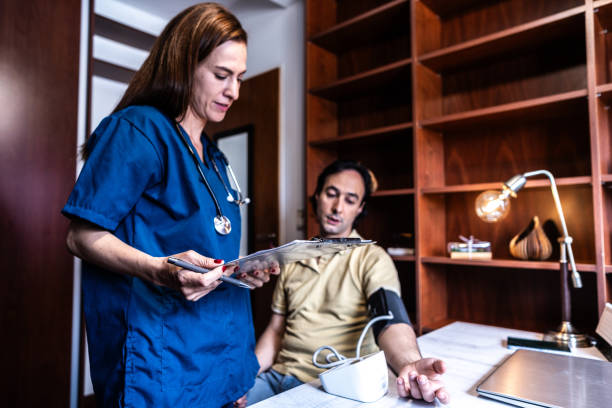
The medical team at Right Path Recovery provides 24-hour supervision during withdrawal so that each client stays as safe and comfortable as possible. You can read more about our drug and alcohol detox program in San Diego before you decide.
Why Detox Alone Is Not Enough
Detox treats the body. It does not address the habits, triggers, and emotional patterns that drove the drinking in the first place. People who go directly from detox back to their usual routines face a high risk of returning to alcohol. Detox works best as the doorway to rehab, not the destination.
Step 2: Residential Alcohol Rehab in San Diego
After detox, residential care offers a structured, alcohol-free setting where you can focus entirely on healing. Residential alcohol rehab San Diego programs commonly last 30, 60, or 90 days, depending on clinical needs. Inpatient alcohol rehab San Diego care also removes the everyday triggers, such as stressful relationships, easy access to alcohol, and social pressure, that make early sobriety so difficult.
The residential treatment program at Right Path Recovery provides 24-hour care in a comfortable home-style setting, with chef-prepared meals, wellness activities, and a low client-to-staff ratio.
What a Typical Day Can Look Like
- Morning check-in and a review of any medical needs
- Individual and group therapy sessions
- Education on coping skills, stress management, and relapse prevention
- Fitness, mindfulness, and other wellness activities
- Nutritious, chef-prepared meals
- Evening support groups and time to rest
Therapies Used in Alcohol Treatment in San Diego
Effective alcohol treatment San Diego programs combine several evidence-based approaches rather than relying on one method.
Cognitive Behavioral Therapy (CBT)
CBT helps you recognize the thoughts and situations that lead to drinking and replace them with healthier responses.
Motivational Interviewing (MI)
MI strengthens your own reasons for change, which is especially useful if you feel unsure about committing to sobriety.
Family Therapy
Alcohol addiction affects the whole household. Family sessions rebuild trust and teach loved ones how to support recovery without enabling drinking.
Dual Diagnosis Care
Many people who drink heavily also live with anxiety, depression, or trauma. Treating both conditions together lowers the chance that untreated symptoms will drive a return to drinking.
Right Path Recovery brings these approaches together through its Integrated Recovery Model, which combines evidence-based treatment, mental health care, and family support into one personalized plan.
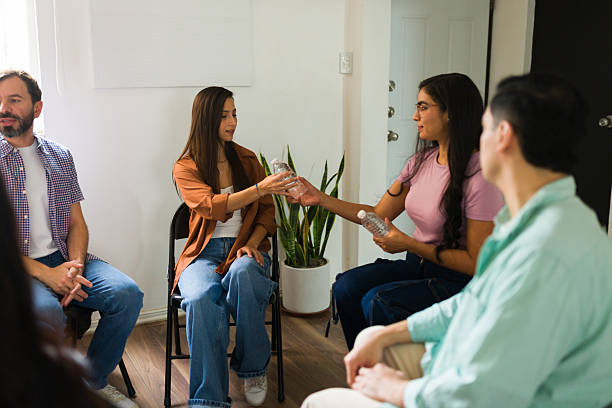
Step 3: Stepping Down With PHP and IOP
Recovery does not end the day you leave residential care. Most people benefit from gradually reducing structure while keeping professional support in place. The table below shows how the levels of care typically fit together.
| Level of Care | Typical Time Commitment | Best For |
| Medical detox | About 3 to 7 days | Safely managing withdrawal |
| Residential treatment | 30 to 90 days | Stability, structure, and intensive therapy |
| Partial hospitalization (PHP) | Several hours a day, most days of the week | Step-down care with daily support |
| Intensive outpatient (IOP) | A few hours a day, several days a week | Rebuilding work, school, and family routines |
| Aftercare | Weekly or as needed | Long-term maintenance |
These are typical ranges only. Every plan should be individualized and adjusted as you progress.
Step 4: Staying Sober After Treatment
Relapse is common in addiction, much as symptom flare-ups are common in other chronic health conditions. The National Institute on Drug Abuse (NIDA) notes that relapse rates for substance use disorders are similar to those for conditions such as high blood pressure and asthma. A return to drinking is a signal to adjust the plan, not a sign of failure.
A strong relapse prevention plan usually includes:
- Trigger mapping: identifying the people, places, and feelings that raise your risk
- A sober support network: peer groups, sponsors, alumni connections, and trusted family
- Healthy routines: consistent sleep, nutrition, and exercise
- Ongoing therapy: regular check-ins with a counselor
- Medication support: FDA-approved options such as naltrexone and acamprosate may help some people when a physician recommends them
If you want to see how long-term support is structured, explore our aftercare support services.
How to Choose an Alcohol Treatment Program in San Diego
Not every program offers the same level of care. When comparing options, ask these questions:
- Is the facility licensed by the California Department of Health Care Services (DHCS)?
- Does it hold national accreditation, such as The Joint Commission’s approval?
- Is medical detox available, and who supervises it?
- Will the plan be tailored to you, or is it one-size-fits-all?
- Does the program treat co-occurring mental health conditions?
- Are family members included in the process?
- What does insurance cover? You can verify your insurance online.
Right Path Recovery is DHCS-licensed and carries The Joint Commission’s National Quality Approval seal. Please note that the program does not accept Medicare or Medi-Cal.
Take the First Step Toward Recovery
If you or someone you love is struggling with alcohol, reaching out is the hardest part and also the most important. Right Path Recovery are confidential, and a team member can walk you through assessment, detox, and next steps. If you need immediate national support, the SAMHSA National Helpline is free and available 24/7.
Frequently Asked Questions
1. How long does alcohol rehab last in San Diego?
Most programs run from 30 to 90 days of residential care, followed by PHP, IOP, and aftercare. The right length depends on your drinking history, health, and progress.
2. Is alcohol detox dangerous?
It can be. Severe withdrawal may cause seizures and delirium tremens, which can be life-threatening. Medical supervision greatly reduces these risks.
3. What is the difference between inpatient and outpatient alcohol rehab?
Inpatient care means living at the facility with 24-hour support. Outpatient care allows you to live at home while attending scheduled treatment sessions.
4. Will my insurance cover alcohol treatment?
Many commercial plans cover some or all levels of care. Benefits vary, so verify your coverage before admission.
5. Can I keep working during treatment?
Residential care requires time away from work. PHP and IOP are designed to be more flexible as you move back into daily life.
6. What should I do if I relapse after rehab?
Contact your care team right away. A relapse is a chance to adjust your plan, add support, and return to treatment if needed.