Quitting alcohol or drugs is a courageous step, but withdrawal can be unpredictable. For some people it feels like a bad flu. For others it brings seizures, severe confusion, or dangerous changes in heart rate and blood pressure. That uncertainty is exactly why so many people search for medical detox in San Diego before they try to stop.
This guide explains what medical detox is, which substances carry the highest risk, and when 24-hour supervision is truly necessary. You can also learn more about the drug and alcohol detox program at Right Path Recovery.
What Is Medical Detox?
Medical detox is supervised withdrawal management. Instead of going through withdrawal alone, you are monitored by trained staff who track your symptoms, treat discomfort, and respond quickly to complications. In a medically supervised detox San Diego program, the goals are straightforward:
- Safety: preventing or treating serious complications such as seizures.
- Comfort: easing symptoms like nausea, anxiety, and insomnia.
- Stabilization: helping your body and mind reach a steady baseline.
- Transition: preparing you for the treatment that follows.
It is important to remember that detox is the first step, not the whole journey. It addresses the physical dependence, while therapy addresses the reasons behind substance use.
Why Withdrawal Can Be Dangerous
With regular use, the brain and body adjust to the presence of a substance. When it is removed suddenly, the nervous system can become overactive. The risks depend on the substance, the amount used, how long it was used, and your overall health.
Alcohol Withdrawal
Alcohol detox San Diego programs treat one of the most medically serious withdrawals. Symptoms such as tremor, sweating, anxiety, and nausea can begin within hours of the last drink. In severe cases, withdrawal can lead to seizures or delirium tremens, a medical emergency marked by confusion, hallucinations, fever, and unstable vital signs. The National Institute on Alcohol Abuse and Alcoholism offers educational resources on alcohol withdrawal and treatment.
Benzodiazepine Withdrawal
Stopping benzodiazepines such as alprazolam or diazepam suddenly can also cause seizures. These medications are usually reduced gradually under medical guidance rather than stopped all at once.
Opioid Withdrawal
Drug detox San Diego programs frequently treat opioid dependence. Opioid withdrawal is rarely life-threatening for otherwise healthy adults, but it is intensely uncomfortable, with vomiting, diarrhea, muscle pain, and anxiety. Severe fluid loss can create medical problems, and the misery of symptoms is a major reason people return to use. Medical support and medications can make the process far more manageable.
Stimulant Withdrawal
Withdrawal from methamphetamine or cocaine is mostly emotional and psychological, with exhaustion, depression, and strong cravings. Supervision still matters because severe low mood can bring thoughts of self-harm, and staff can respond right away.
When Is 24-Hour Supervision Necessary?
Not everyone needs the same level of monitoring, but round-the-clock care is strongly recommended in several situations. A 24 hour detox center San Diego residents choose should be able to provide it when you have:
- Heavy, daily alcohol use: especially over a long period of time.
- Benzodiazepine dependence: because of seizure risk.
- A history of seizures or delirium tremens: or a past withdrawal that went badly.
- Multiple substances: which can complicate and intensify symptoms.
- Serious medical conditions: such as heart disease, diabetes, or liver problems.
- Co-occurring mental health concerns: including depression or thoughts of self-harm.
- An unsafe or unsupported home environment: without anyone to watch for danger.
The reason is simple. Complications can develop quickly and often overnight. Around-the-clock staff can notice early warning signs and act before a problem becomes an emergency.
What Continuous Monitoring Looks Like
Inpatient detox San Diego programs follow a structured routine so nothing is missed. Typical elements include:
- Regular checks of blood pressure, heart rate, temperature, and breathing.
- Standardized withdrawal rating scales to track symptom severity.
- Medication adjustments based on how your body responds.
- Hydration, nutrition, and rest to support recovery.
- Emotional support from staff who understand what you are experiencing.
Why Detoxing Alone Is Risky
Trying to stop on your own may seem private and affordable, but it can be dangerous, particularly with alcohol or benzodiazepines. Without monitoring, no one can recognize a seizure risk or treat dehydration. Painful symptoms also make relapse more likely.
When to Get Emergency Help
Call 911 or go to the nearest emergency room for seizures, confusion, hallucinations, chest pain, difficulty breathing, or severe, uncontrolled vomiting. If you are having thoughts of harming yourself, call or text 988 right away.
Medications Used During Medical Detox in San Diego
Medication is often a safe and effective part of withdrawal care when a clinician prescribes it. The choice depends on the substance involved and your medical history.
- Alcohol: benzodiazepines are commonly used to reduce the risk of seizures and ease symptoms.
- Opioids: medications such as buprenorphine can reduce withdrawal symptoms and cravings.
- Supportive medications: treatments for nausea, sleeplessness, and anxiety add comfort.
These medications should only be used under medical supervision, since the wrong dose or combination can create new risks.
What to Expect at a Detox Center in San Diego
Every program differs, but a quality detox center San Diego offers generally follows three stages.
Intake and Assessment
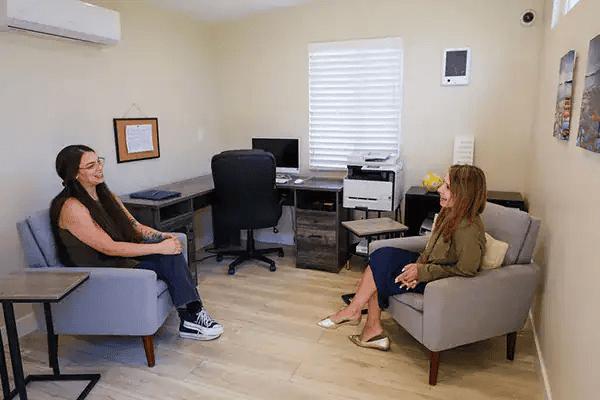
Staff review your substance use, medical history, medications, and mental health. This assessment shapes your monitoring level and comfort plan.
Stabilization and Comfort Care
As withdrawal begins, clinicians monitor symptoms and treat them as needed. At Right Path Recovery, medical staff provide 24/7 supervision during detox so clients are never facing withdrawal alone.
Transition to Treatment
Before detox ends, the team helps you plan your next step, such as residential treatment, partial hospitalization, or intensive outpatient care. A smooth handoff reduces the chance of leaving treatment early.
How to Prepare for Detox
A little preparation can make admission smoother and less stressful. Before you arrive, try to:
- Write down the substances you use, how much, and when you last used.
- List all current medications, allergies, and medical conditions.
- Gather your insurance card and photo identification.
- Arrange time away from work, school, or family duties.
- Tell a trusted person where you are going.
Be honest during intake. Accurate information helps clinicians keep you safe, and what you share is protected by strict privacy laws.
Can Detox Ever Be Done Outpatient?
For mild withdrawal in people who are otherwise healthy and have strong support at home, outpatient detox can sometimes be appropriate. That decision should always follow a medical evaluation, never a guess. If there is any doubt about severity, supervised care is the safer choice.
After Detox: Why the Next Step Matters
Detox clears substances from the body, but it does not change habits, triggers, or underlying conditions. Without continued care, relapse is common. For people who used opioids, relapse after detox carries extra danger because tolerance drops quickly, and a previous dose can cause an overdose. Learn more about alcohol addiction treatment and the support that follows detox at Right Path Recovery.

Detox and Mental Health
Withdrawal often stirs up anxiety, low mood, and sleep problems, and people with existing mental health conditions may feel these effects more strongly. A supervised setting lets staff notice emotional changes early and bring in psychiatric support when needed. Treating mental health alongside withdrawal also improves the chances that you stay in care after detox ends.
Supporting a Loved One Who Needs Detox
If someone you love is struggling, you may be wondering how to help. Approach them with calm and compassion rather than blame, and focus on safety. Explain that stopping suddenly can be dangerous and that medical detox in San Diego offers a safer route. Offer to help with phone calls and transportation. If they are showing signs of severe withdrawal, seek emergency care immediately.
Take the Next Step Toward a Safe Detox
You do not have to face withdrawal alone. Right Path Recovery offers confidential assessments and compassionate support to help you find the right level of care. Verify your insurance or call [619-630-2176] to speak with a team member today.
Frequently Asked Questions
1. How long does medical detox take?
Most detox stays last several days to about a week, though timing varies by substance, amount used, and health. Your clinical team will recommend a timeline and adjust it as needed.
2. Is medical detox painful?
Withdrawal can be uncomfortable, but medical detox is designed to reduce symptoms. Staff can use medications and supportive care to ease nausea, anxiety, and sleeplessness.
3. Do I need detox before rehab?
Not always, but many people do. A medical assessment determines whether you need detox first and how closely you should be monitored.
4. Can I safely detox at home?
It depends on the substance, but home detox can be risky, especially for alcohol and benzodiazepines. Talk with a medical professional before stopping.
5. Does insurance cover detox in San Diego?
Coverage depends on your plan, so verify benefits before admission. Right Path Recovery works with many commercial insurers but does not accept Medicare or Medical.