When people begin searching for drug rehab San Diego has to offer, they quickly run into two terms that seem to mean the same thing: residential and inpatient. Both involve living at a treatment facility, and many programs use the words interchangeably. Still, the labels can point to meaningful differences in medical intensity, setting, and daily routine.
This guide explains how the two terms compare, what a typical day looks like, and how to decide which level of care fits your needs. If you want to see how a live-in program is structured, you can read about residential treatment San Diego families often consider as a starting point.
What Do Residential and Inpatient Rehab Mean?
Both options provide 24-hour care away from the triggers and stress of daily life. The difference usually comes down to how much medical monitoring is needed and where the care takes place.
Residential Treatment
Residential treatment takes place in a home-like, non-hospital setting. Clients live on site, follow a structured schedule, and attend therapy daily. Nurses and clinicians are available around the clock, but the focus is on therapy, skills, and building a foundation for sober living rather than on acute medical care.
Inpatient Treatment
Traditionally, inpatient care refers to a more medically intensive setting, often hospital-based, for people with serious medical or psychiatric complications. In everyday conversation, however, many people use inpatient rehab San Diego listings to describe any program where you stay overnight.
Key Differences at a Glance
Because providers define these terms differently, always ask what a program actually includes. In general, you can expect the following contrasts:
- Setting: Residential programs feel like a home. Hospital-based inpatient programs feel more clinical.
- Medical intensity: Inpatient care is designed for complex medical needs. Residential care supports people who are medically stable or have been stabilized through detox.
- Daily focus: Residential programs emphasize therapy, life skills, and community. Inpatient stays often focus on stabilization first.
- Length of stay: Hospital-level stays tend to be shorter, while residential stays often run longer to allow deeper therapeutic work.
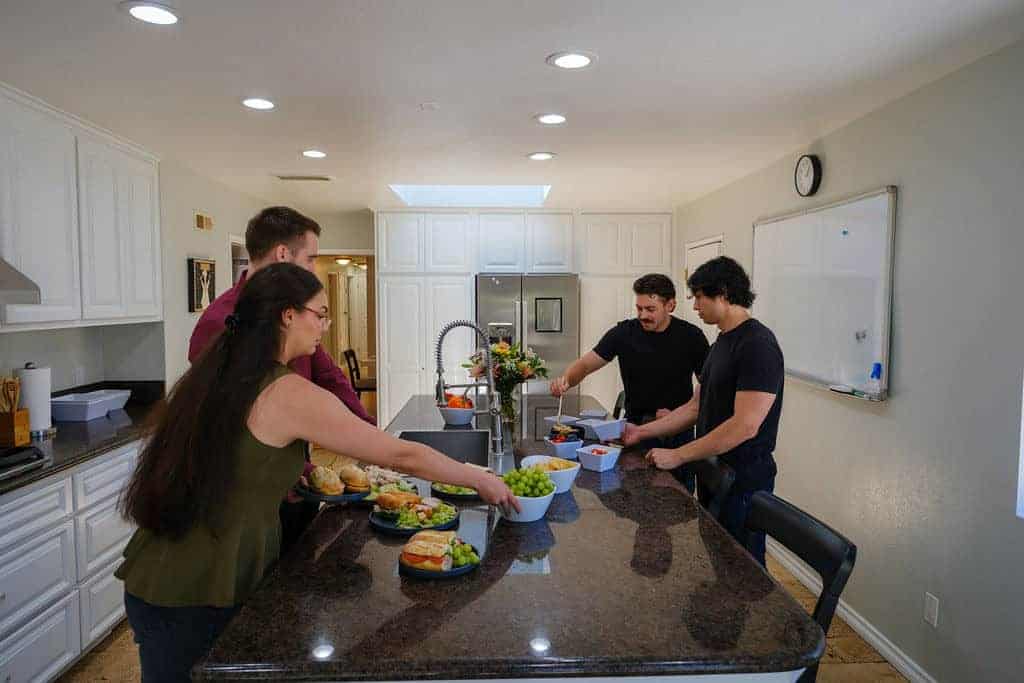
- Atmosphere: Residential environments usually offer shared meals, group activities, and recreation that support connection.
These differences are not about one option being better. They reflect different needs at different moments. A person leaving a medical crisis may need hospital-level support first, while someone who is stable but struggling to stay sober at home may benefit most from the daily therapy a residential setting provides.
What Daily Life Looks Like in a Live-In Rehab
Many people worry about what living in treatment will feel like. A well-run live-in rehab San Diego program balances structure with comfort so you can focus on healing.
A Structured Schedule
Days typically include morning check-ins, individual and group therapy, skill-building sessions, meals, and wellness time. Structure matters because early recovery can feel chaotic. A predictable routine reduces stress and helps new habits take hold.
Therapies and Support
Evidence-based treatment is the backbone of a good program. That often includes cognitive behavioral therapy, dialectical behavior therapy, motivational interviewing, and family sessions. Holistic offerings such as mindfulness, fitness, and art therapy round out care by supporting the whole person. Programs that address co-occurring mental health conditions give clients a better chance of lasting results.

A Safe, Comfortable Environment
Where you recover shapes how you feel about recovery. Private rooms or shared bedrooms, chef-prepared meals, and outdoor spaces all help people relax and engage. Right Path Recovery offers chef-prepared meals, comfortable common areas, and a calm setting designed to help clients feel at home, and you can ask for a facility tour before you decide.
Which Level of Care Fits Your Situation?
A professional assessment is the best way to match you with the right program, but these general guidelines can help you start the conversation.
When Residential Care May Be Right
- Previous attempts at outpatient treatment did not hold.
- Your home environment includes triggers, easy access to substances, or little support.
- You live with anxiety, depression, trauma, or another mental health condition alongside addiction.
- You are medically stable but need structure, accountability, and daily therapy.
When Detox or Higher Medical Support Comes First
If you are physically dependent on alcohol, opioids, or benzodiazepines, withdrawal can be dangerous without supervision. Medically supervised drug and alcohol detox is often the first step, and a residential stay follows once you are stable. Anyone with severe medical or psychiatric complications may need a hospital-level inpatient setting before moving to residential care.
How Insurance Fits Into the Decision
Coverage can influence which level of care is recommended, but it should not replace a clinical assessment. Many plans require a medical review before approving a live-in stay, and benefits for residential treatment vary widely. Right Path Recovery’s admissions team can help verify your benefits and explain what your plan may cover, so you know what to expect before you commit.
When Outpatient Care May Be Enough
Not everyone needs to live on site. Some people have stable housing, supportive families, and a strong commitment, and they can succeed with a step-down level of care.
Partial Hospitalization Program (PHP)
A partial hospitalization program offers several hours of treatment most days while you return home at night. It suits people who need more than standard outpatient care but not 24-hour supervision.
Intensive Outpatient Program (IOP)
An intensive outpatient program usually meets a few days per week and fits around work or school. It works well as a step down from residential care or for people with milder substance use disorders.
How Levels of Care Work Together
Recovery is not a single event but a continuum. Many people begin with detox, move into residential care, step down to PHP, continue with IOP, and then maintain progress through ongoing support. The National Institute on Drug Abuse notes that treatment should be tailored to the individual and adjusted as needs change.
Planning for the transition matters as much as the stay itself. A strong aftercare program keeps you connected to counselors, peers, and relapse prevention tools once you leave the live-in setting.
Discharge planning deserves attention from day one. Ask how a program prepares you for the return home, including sober living options, outpatient appointments, and peer support. Strong transitions turn the progress made in a live-in setting into habits that hold up in everyday life.

Common Concerns About Staying in a Live-In Program
It is normal to hesitate before moving into treatment. These are some of the worries people raise most often:
- “Will I lose my job?” Many employees qualify for protected leave. Ask HR and your treatment team about paperwork.
- “Will I feel trapped?” Quality programs treat clients with respect, explain every rule, and focus on collaboration.
- “Will it feel like a hospital?” Residential settings are designed to feel like a home, with shared meals, common spaces, and recreation.
- “What about my privacy?” Reputable providers follow strict confidentiality standards. Ask how your information is protected.
Getting Started With the Right Assessment
Choosing between residential and inpatient care does not have to be a guessing game. Right Path Recovery begins with a confidential assessment that reviews your medical history, substance use, mental health, and personal goals. From there, the team recommends the level of care that fits and builds a plan that can change as you progress.
If you are still comparing options, the SAMHSA treatment locator is a helpful government resource for finding licensed providers. When you are ready to talk, Right Path Recovery is available to answer questions, explain each level of care, and help you take the next step with confidence.
Frequently Asked Questions
1. Is residential rehab the same as inpatient rehab?
Not always. The terms overlap, and many programs use them interchangeably to describe live-in treatment. Strictly speaking, inpatient care is more medically intensive and often hospital-based, while residential care takes place in a home-like setting.
2. How long do people stay in residential treatment?
Length of stay depends on clinical needs, progress, and recommendations from your care team. Common stays range from several weeks to a few months, followed by a step down to outpatient care.
3. Do I have to detox before entering residential treatment?
Many people do, especially with alcohol, opioids, or benzodiazepines. A medical team can assess whether you need supervised detox before you begin residential programming.
4. Can I keep my phone and receive visitors?
Policies differ by facility. Many programs set limits early in treatment and gradually allow more contact. Ask about communication and visitation rules before admission.
5. What happens after residential treatment ends?
Most people step down to PHP or IOP and then participate in aftercare services. This continued support helps maintain momentum and lowers the risk of relapse.
6. How do I know if I need a live-in program?
A professional assessment is the best guide. Factors include the severity of substance use, mental health needs, past treatment attempts, and the stability of your home environment.